
The Iberian Lynx in Spain and the Pyrenees
The Iberian Lynx (Lynx pardinus) once roamed across much of the Iberian Peninsula. Today it is often cited as one of the world’s most endangered feline species, although conservation efforts in recent years have begun to reverse its dramatic decline.
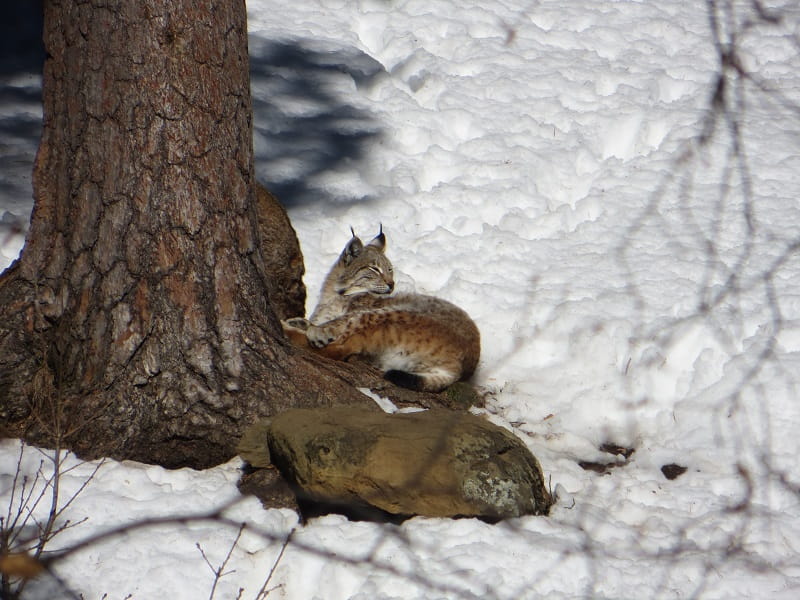
Numbers started to fall at the beginning of the 20th century, mainly due to hunting, habitat loss and the decline of wild rabbits — the lynx’s primary prey. By the late 20th century the situation had become critical. The population dropped from an estimated 1,100 animals in 1988 to just around 120 individuals by 2005.
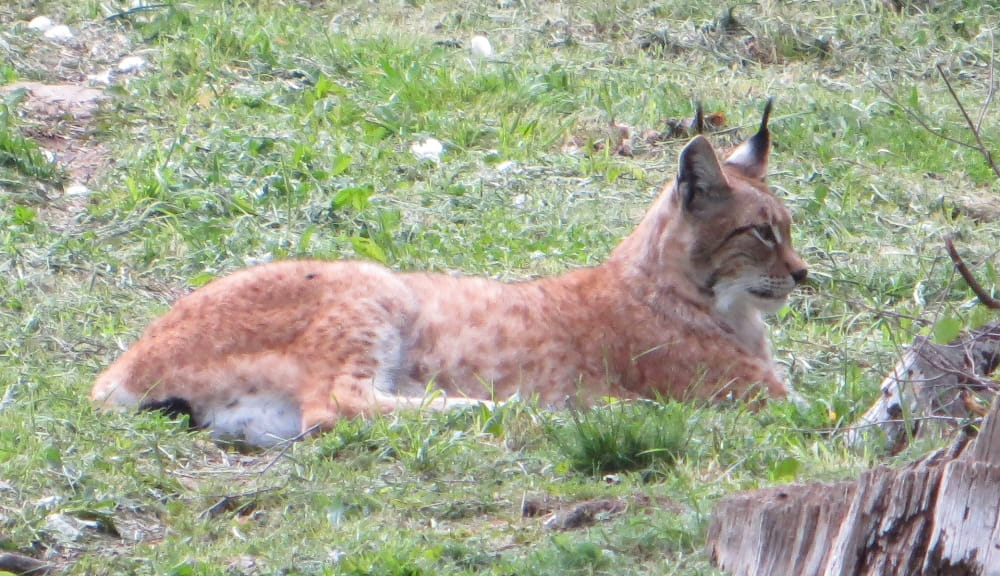
Instantly recognisable with its tufted ears, long facial “sideburns” and beautifully spotted coat, the Iberian lynx is smaller than many people expect. Adults stand roughly 60 cm tall at the shoulder and measure around one metre in body length, with males typically weighing between 10 and 15 kg. Despite their relatively small size, they are highly specialised predators that rely heavily on rabbits, which can make up more than 80% of their diet.
Historically the Iberian lynx was found across much of Spain and Portugal, including parts of the Pyrenees. In Aragón they were occasionally seen in the more Mediterranean landscapes of the Sierra de Guara and the foothills near Riglos. It is even thought that they may once have shared these mountains with the larger Eurasian lynx (Lynx lynx), a species still found today in the Alps and across much of northern Europe.
Sadly the last confirmed sightings of Iberian lynx in the Aragonese Pyrenees date from the early 20th century. One animal was recorded in 1930 in Linás de Marcuello near the dramatic cliffs of Riglos, and another in 1940 near Berdún. Both animals were shot by hunters.
While hunting played an important role in their disappearance from the Pyrenees, the more recent decline across Spain has been linked mainly to the collapse of rabbit populations. Diseases such as myxomatosis dramatically reduced rabbit numbers during the second half of the 20th century. At the same time, new roads, railways and infrastructure fragmented the lynx’s habitat, isolating populations into small groups that struggled to survive.
By the early 2000s the Iberian lynx was on the brink of extinction.
Fortunately, large-scale conservation programmes were launched to reverse this trend. These included restoring rabbit populations, protecting and reconnecting suitable habitat, captive breeding programmes and the reintroduction of lynx into carefully selected areas.
The results have been remarkable. The population has grown steadily over the past two decades, reaching more than 2,400 individuals across Spain and Portugal in recent years. This recovery has allowed the species to move from the category of “critically endangered” to “vulnerable” on the global conservation scale.
Even more encouraging is that the lynx continues to expand its territory. In 2026 a new reintroduction programme began in Aragón, with several lynx released in the Huerva river basin near Zaragoza. This new population represents an important step in strengthening the long-term survival of the species and expanding its historical range.
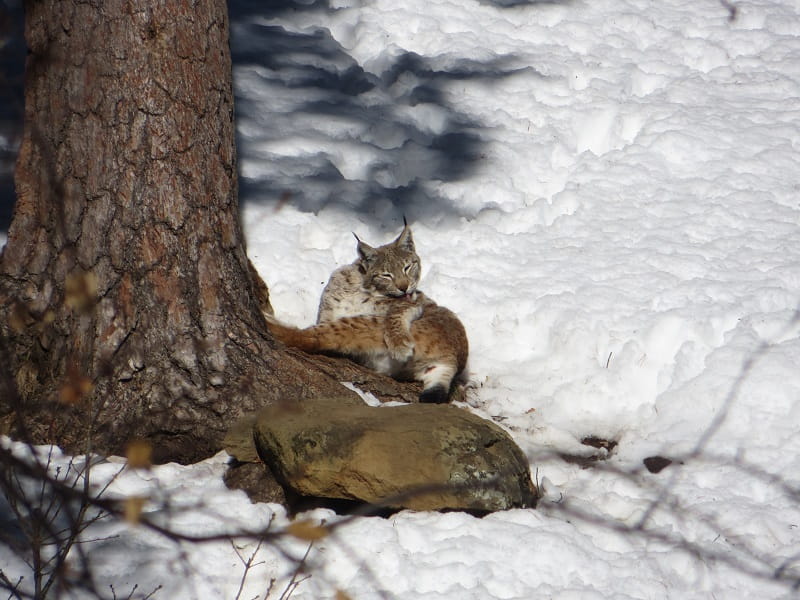
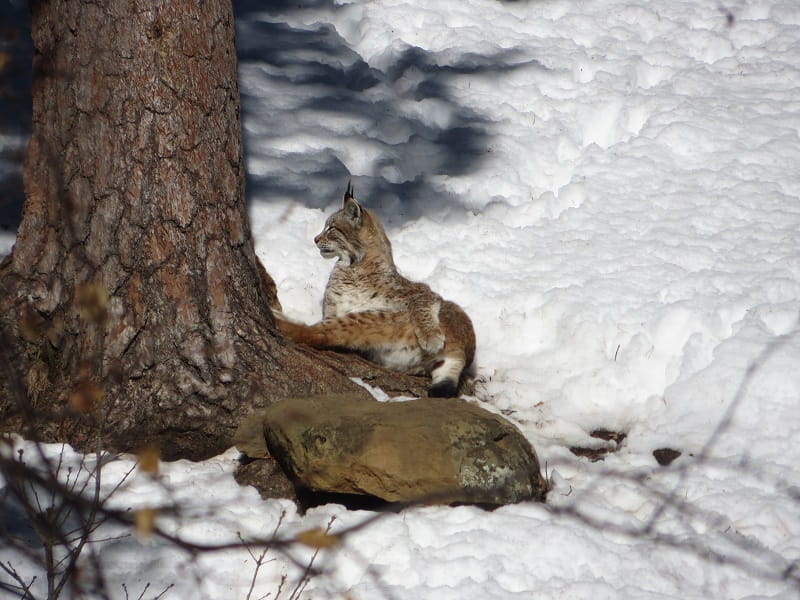
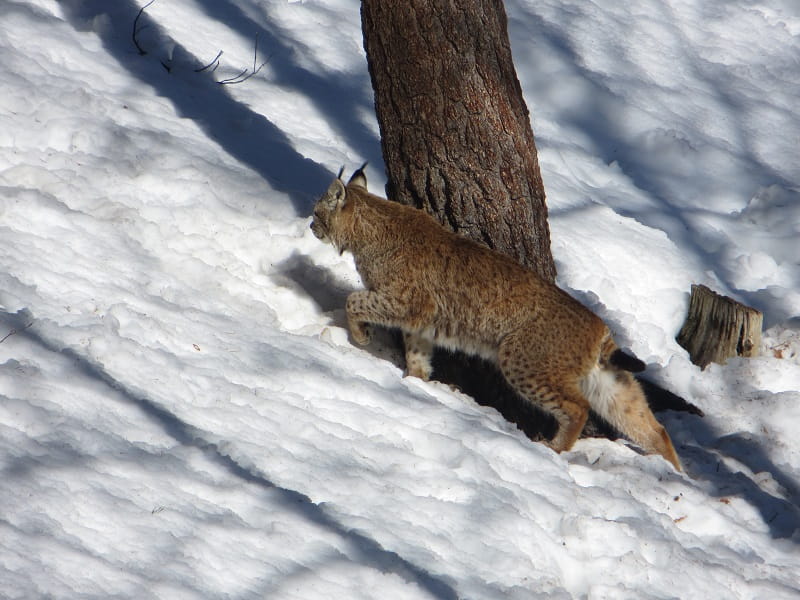
Although Iberian lynx no longer live in the Pyrenees themselves, hikers can still see their close relative, the Eurasian lynx (Lynx lynx), at the Parque Faunístico in the Valle de Tena. Several lynx live in large natural enclosures, and the park runs a successful breeding programme. They can be difficult to spot, but if you are lucky you may catch a glimpse of those distinctive black-tipped ears rising quietly above the grass.
Seeing one of these elusive cats — even in a protected environment — offers a fascinating glimpse into the wildlife that once roamed freely through the mountains of the Pyrenees.
The latest news from our blog
Hike Pyrenees 10 year anniversary week
They say that time flies when you’re having fun. Well, Hike Pyrenees is now in it’s 10th season of running hiking holidays in the Spanish Pyrenees, and those 10 years have flown by very quickly! To celebrate this, we put on a special hiking holiday, based in the...

5 Exercises you can do in your hotel room after a hike to avoid aches and pains
After a long day on the winding, demanding and beautiful hiking trail, returning to your hotel room can feel like stepping into paradise. However, before you soak your aching limbs in a hot bath or flop on the comfort of your hotel bed, stop and stretch those burning...

Snowshoeing in Candanchu
What are you thinking about doing this weekend? I wondered the same question last week and I decided to go snowshoeing. On the border with France, at the head of the Valle de Canfranc there are some fantastic snowshoeing routes. I decided to go to “El Bosque de las...