Cauterets, with its thermal waters, and Gavarnie, the jewel at the heart of the French Pyrenees, were among the first places where enlightened travellers developed a desire to venture into these mountains.
Ramond de Carbonnières was the first to document his journeys through the Pyrenees in a cultured yet deeply emotional way, foreshadowing the Romantic movement that was beginning to emerge at the end of the 18th century. In the early 1800s, he would finally reach the summit of Monte Perdido with the help of two French guides and a Spanish shepherd, and through his writings inspire generations of explorers who followed - including ourselves on this journey.
We had vans instead of mules, and mountain guides in place of the shepherds whose unrivalled knowledge of the land once made them the only people capable of finding the paths and understanding the mountains. There were no detailed maps in those days.
So, during our first few days, we explored three magnificent glacial cirques bordering our beloved Ordesa National Park on the Spanish side.
Our French Pyrenees trip is rated 5 stars by our guests
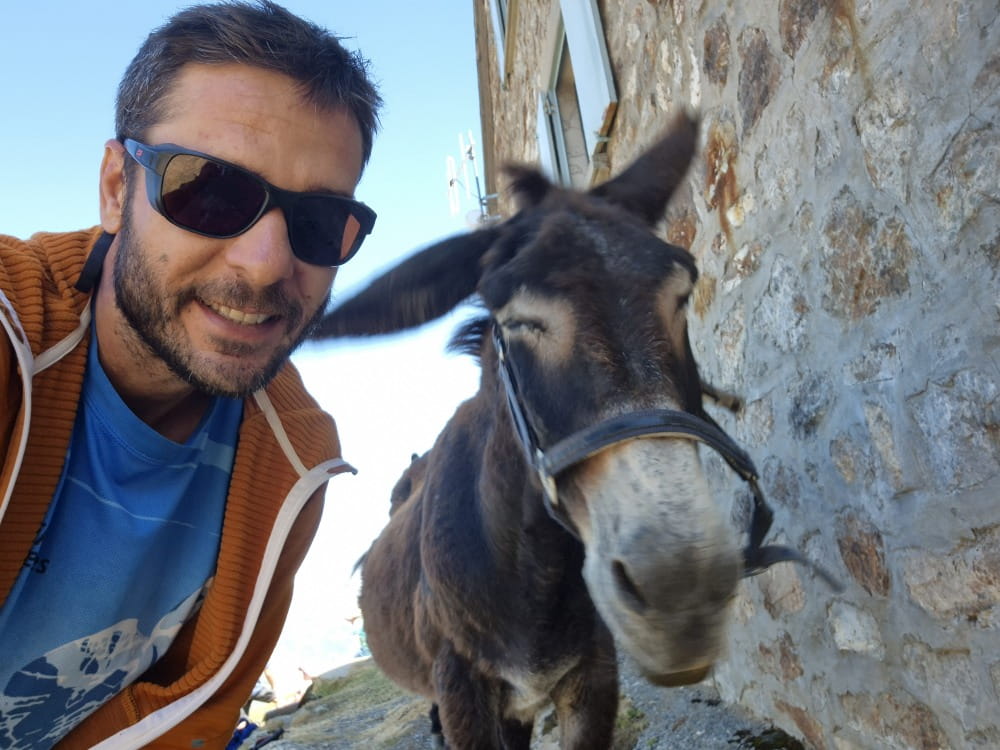
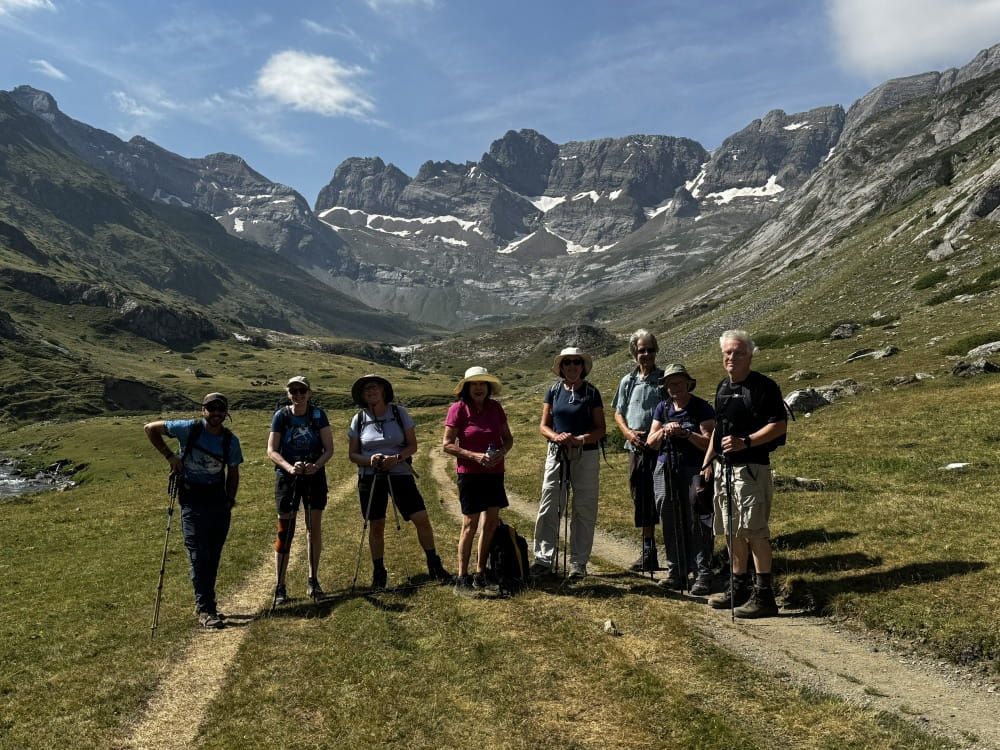
From the approaches to the Cirque d'Estaubé, we caught one of the few glimpses of the long-awaited summit of Monte Perdido from the French valleys. There, we imagined ourselves as Ramond, planning a route to its summit while studying the area's remarkable geology. Science, the Enlightenment and Romanticism intertwined. Climb, feel, and write.
At Troumouse, some of us dreamed of being Henri Paget, the local guide from Héas who accompanied virtually every great Pyreneist through this vast cirque beneath La Munia.
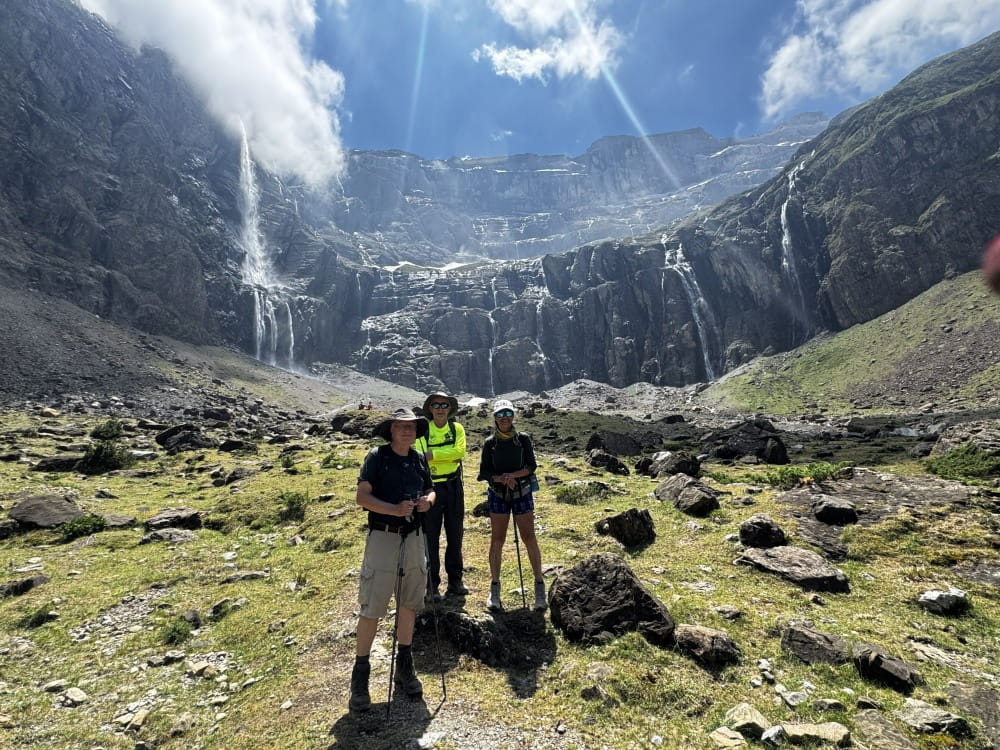
Of Gavarnie, Victor Hugo wrote:
“What is this inexplicable object that cannot be a mountain and yet has the height of mountains, that cannot be a wall and yet has the shape of walls?
It is a mountain and a wall all at once; it is the most mysterious edifice of the most mysterious of architects; it is the Colosseum of Nature; it is Gavarnie.”
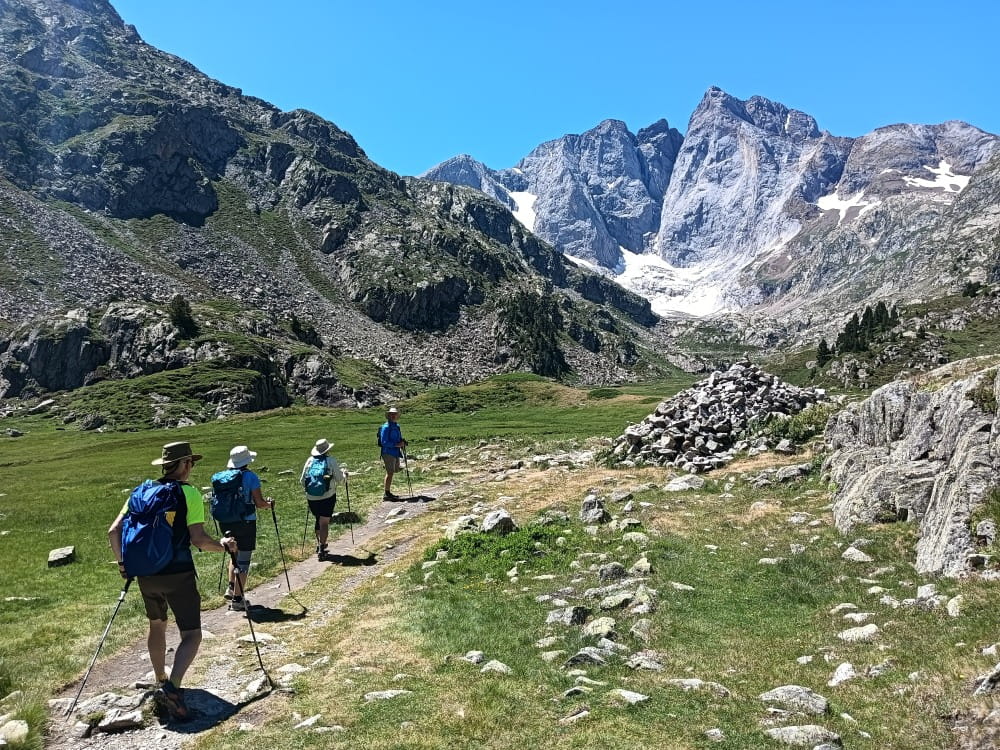
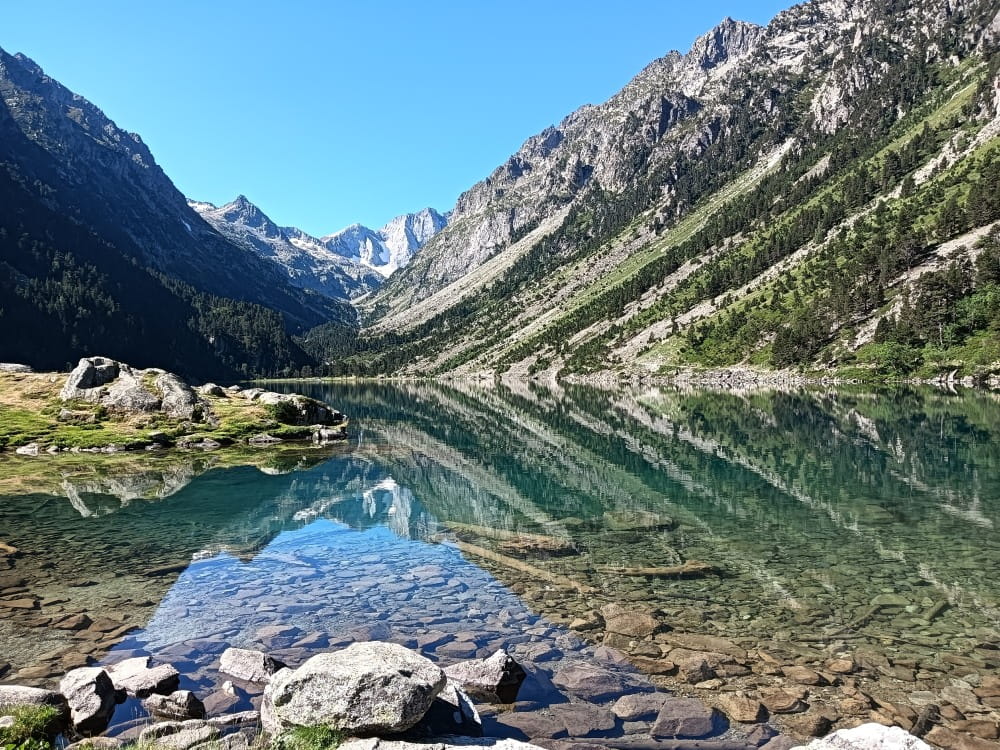
From Lake Gaube, the magnificent Vignemale massif comes into view. We couldn't help but envy Henry Russell's thirty-three ascents of its summit, or the aristocratic receptions he hosted in one of its caves. Or perhaps we remembered that Ann Lister was the first recorded person to reach its highest point, always accompanied—as everyone was in those days—by guides, shepherds and muleteers.
The boldest among us made it almost to the very foot of Vignemale's famous north face—the most iconic and frequently photographed view in the French Pyrenees. It's easy to understand why.
Climb, feel, write... and paint, like Franz Schrader, whose engravings of Gavarnie and painting of Vignemale remain among the finest artistic tributes to these mountains.
And then there was the task of linking valleys, crossing invisible borders and mapping every detail. Just as the engineer—and no less passionate Pyreneist—Paul Édouard Wallon did in the Marcadau Valley and across much of the Spanish Pyrenees.
Less flamboyant than some of his contemporaries, he forged genuine human connections, combining meticulous exploration with a deep understanding of the people who lived in these mountains. From this valley, we could almost smell our beloved Tena Valley: one path would easily lead us to the Respomuso Refuge, another to the lakes of Panticosa. In other words, we felt completely at home, being hours away by car and in a different country (mountains do not know about borders, just watersheds).
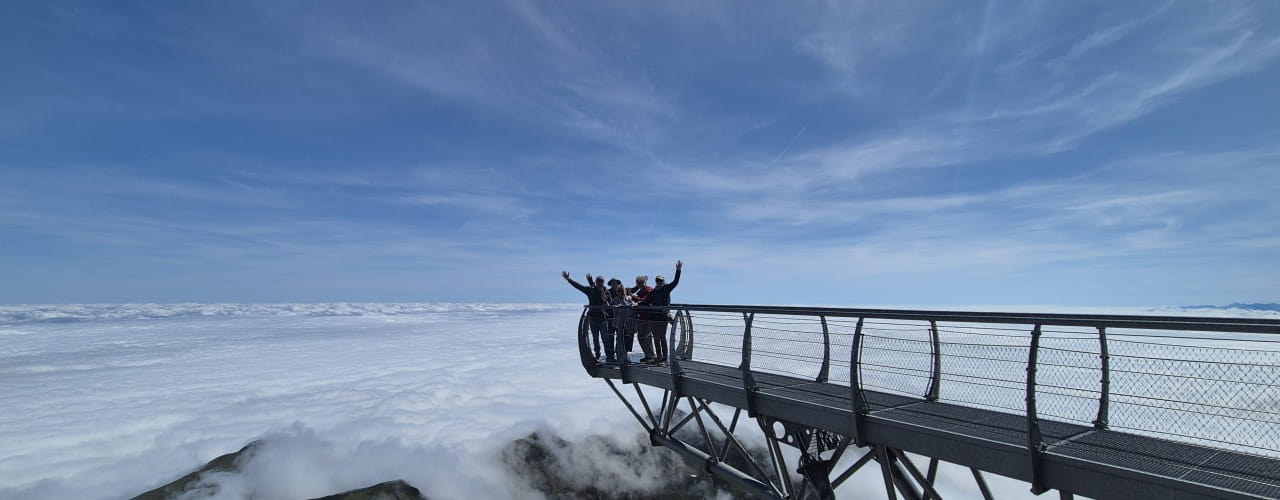
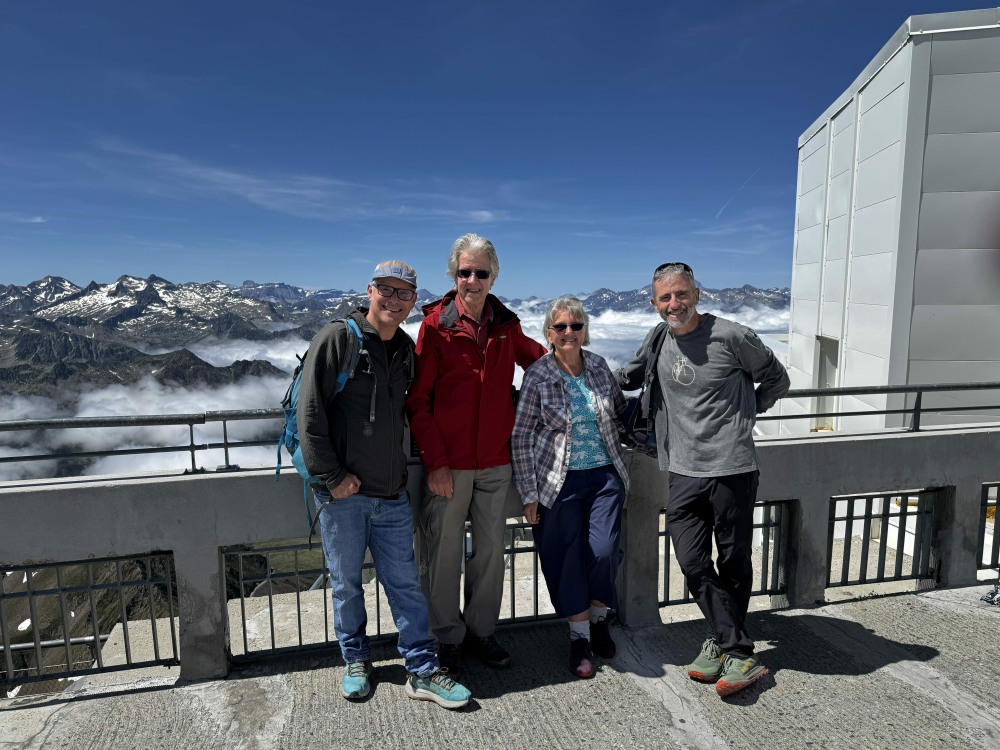
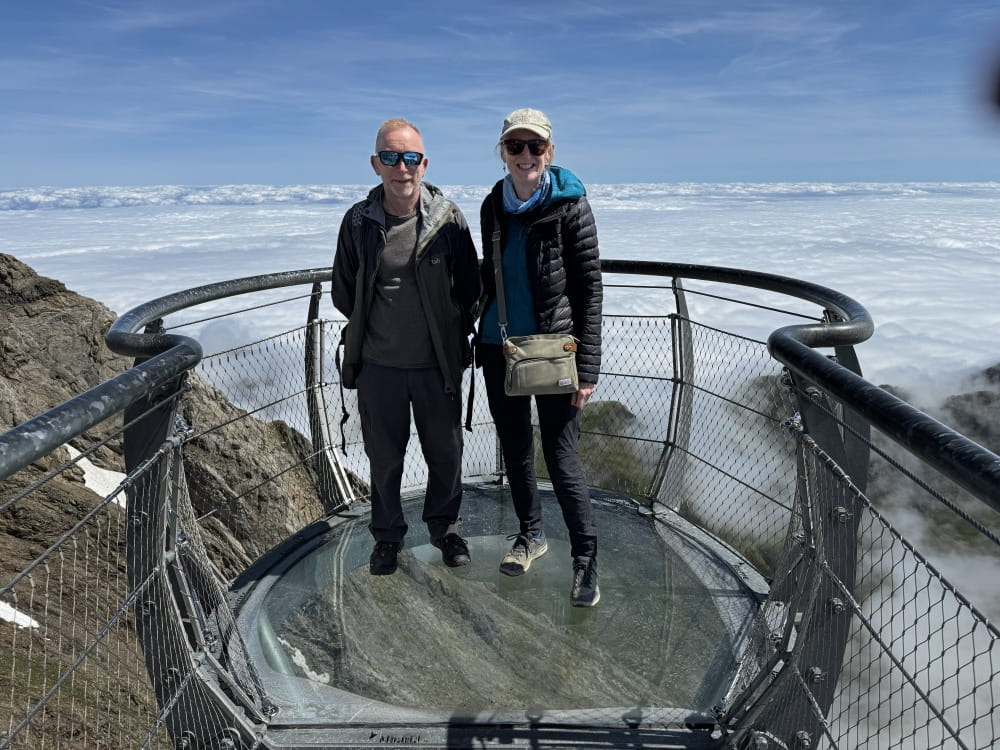
Towards the end of that same 19th century, construction began on the astronomical observatory atop the Pic du Midi de Bigorre. Most of the buildings we see today, along with the cable car that now carries visitors comfortably to this extraordinary summit, belong to the 20th century. Once again, we found ourselves travelling through time—and through French culture as well. That includes something as deeply rooted as the Tour de France, since reaching the summit meant crossing the legendary Col du Tourmalet, alive with cyclists chasing the dreams of their heroes, just as they do every day.
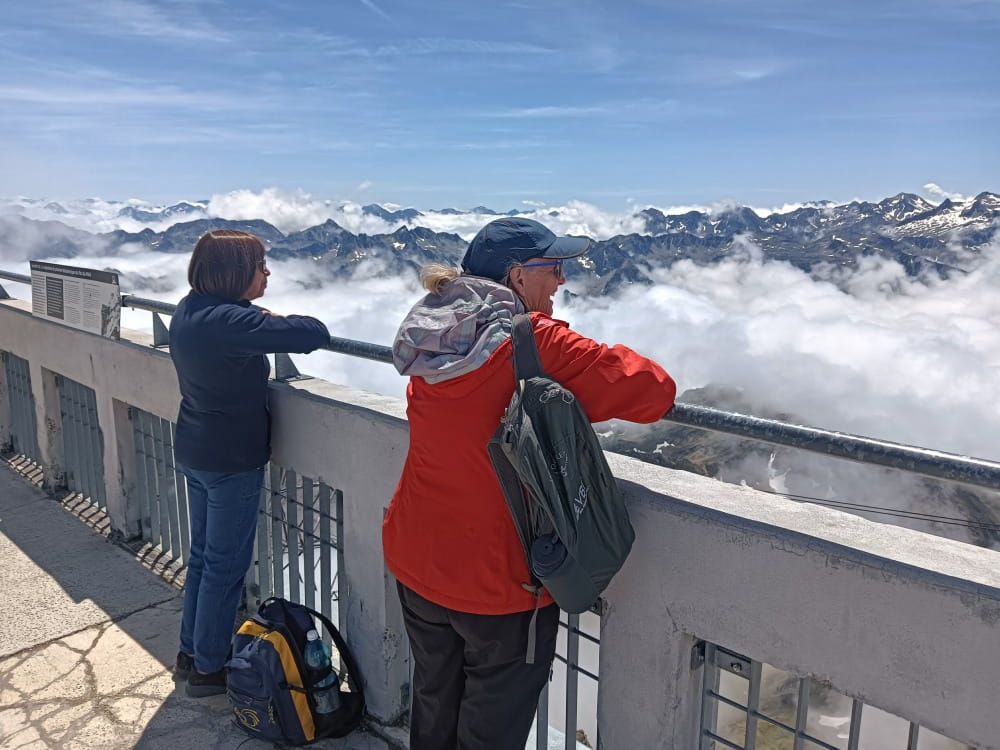
C'est la France!
Another, new and old, unforgettable holiday with Hike Pyrenees.
Thank you, Phil and Pablo, and to our sixteen wonderful companions for sharing the adventure. The trip was a great success and we'll be heading to the French Pyrenees again in the summer of 27 - look out for the dates that will be published shortly! Read the French Pyrenees itinerary.
The latest news from our blog
Life in the Pyrenees
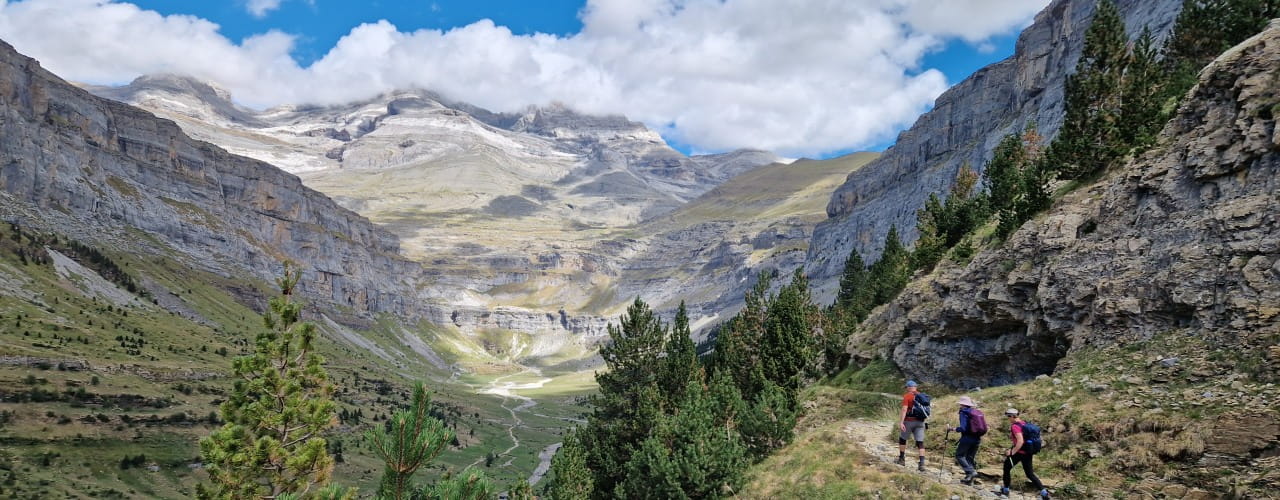
Discover Ordesa: when small things become great
Another wonderful week in Ordesa National Park, where the smallest moments often leave the biggest memories. From breathtaking mountain views and rewarding hikes to unexpected wildlife encounters and plenty of laughter, our guests share what made this Discover Ordesa holiday so special.
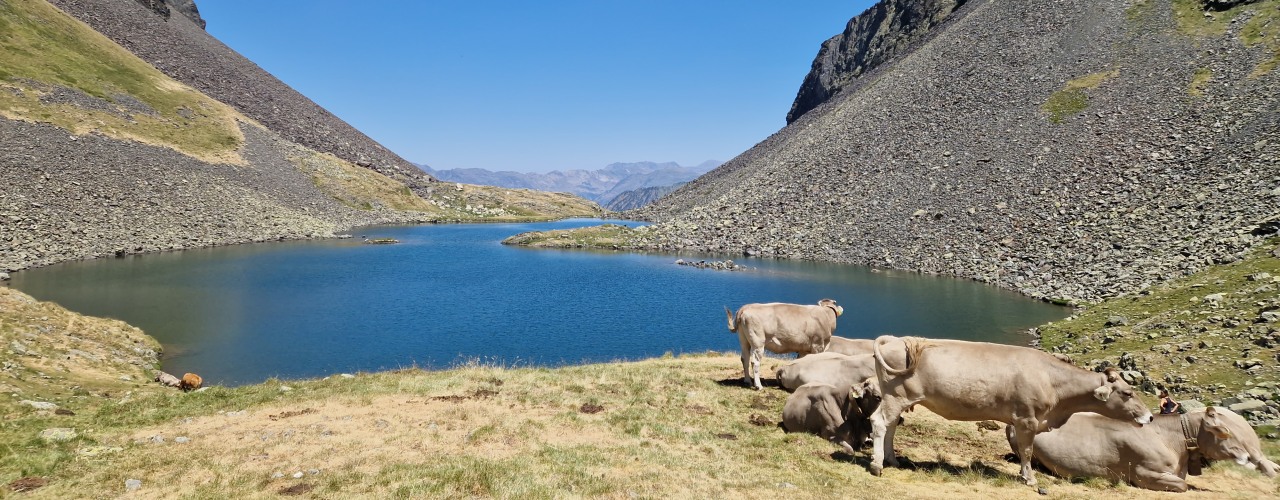
A week in the Heart of the Pyrenees
We look back on a wonderful week in Benasque, where you can find Aneto, the highest peak in the Pyrenees, exploring wild alpine valleys, high mountain lakes and some of the finest scenery in the Pyrenees.
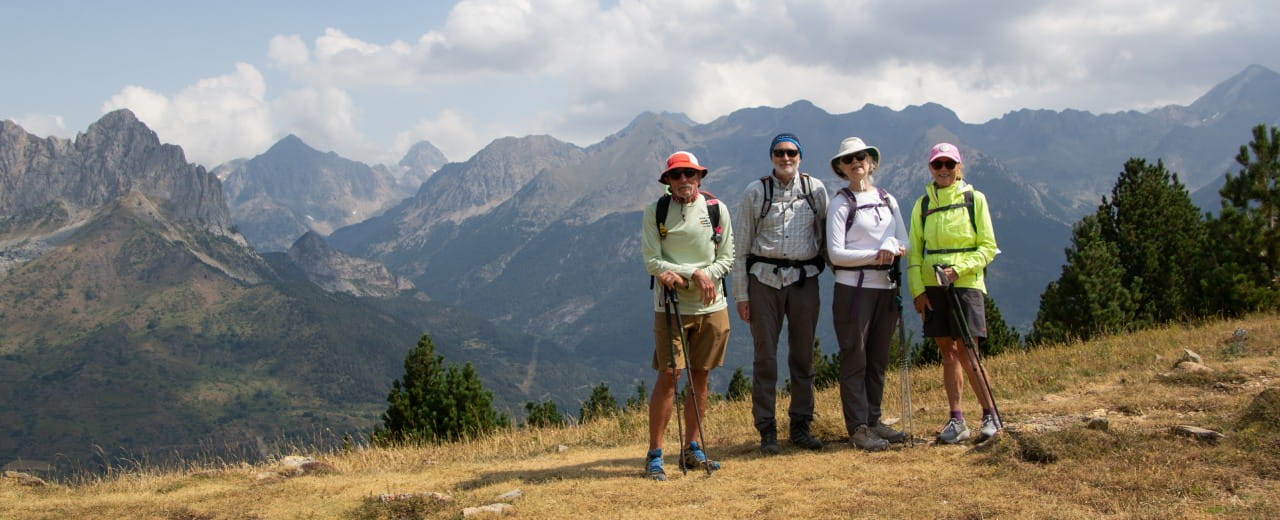
Valle de Tena Explorer: classic walks in the Pyrenees
Explore the Valle de Tena with classic Pyrenean walks, high mountain lakes, local food, historic Jaca and spectacular views on our guided walking holiday.
0 Comments