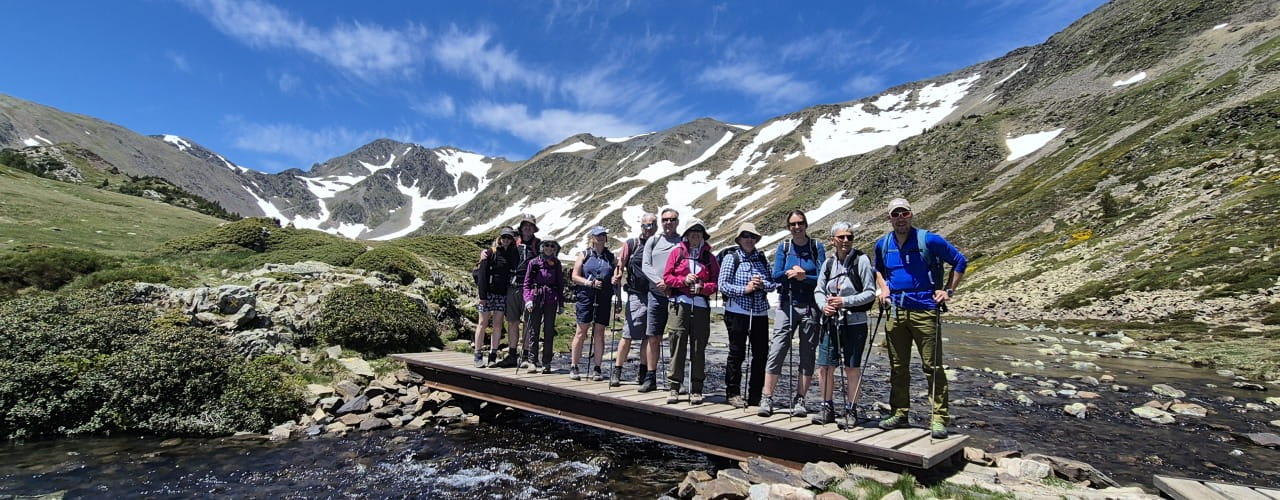
We often travel far away seeking new adventures, cultures and landscapes. However, occasionally, these things are much closer to us than we think they are. Our adventure in the Catalan Pyrenees at the beginning of June was one of these cases.
We travelled from our beloved mountains at the central part of the Pyrenees towards the Catalan Pyrenees and, as we drove into the valley of La Cerdanya, our sight got lost in an infinite valley surrounded by mountains. As we headed north to arrive in one of the widest valleys in Europe.
With our walking holidays based in the scenic village of Prullans, our guests had the chance to discover many of the hidden corners of these mountains, as well as the local culture, history and gastronomy.
One valley, different landscapes
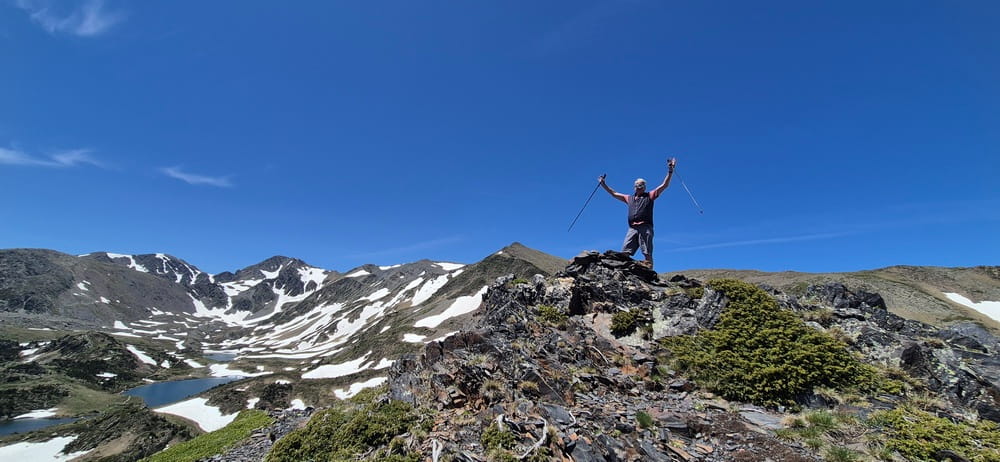
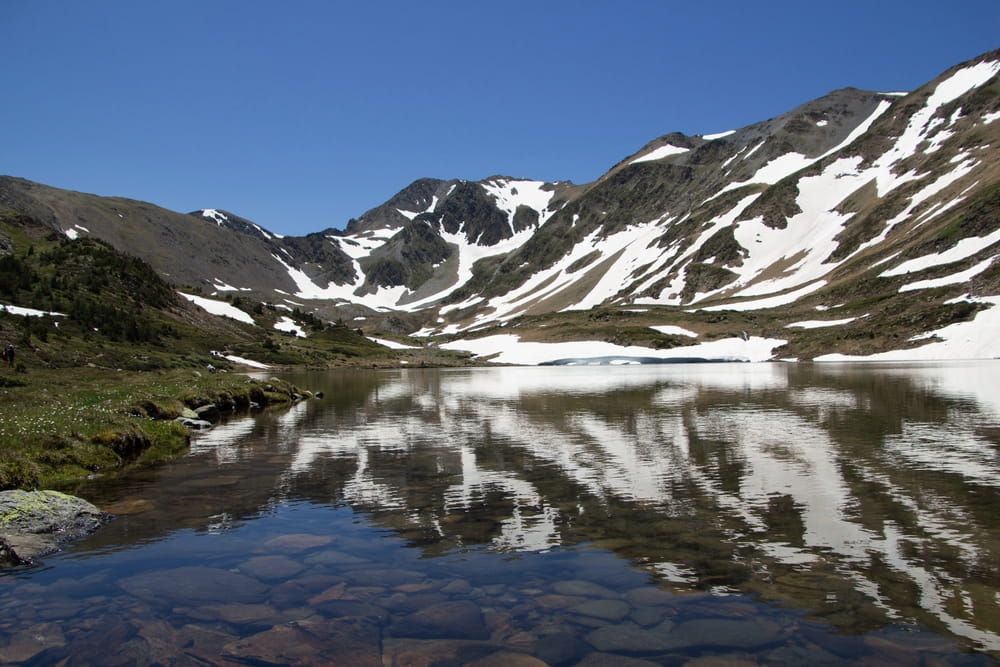
Millions of years of geological evolution gave place to a great wide valley that separates two mountain massifs. The one in the north, acts not only as a geographical border, but also as an administrative border between Spain, Andorra and France. The one in the south, forms part of the stunning Natural Park of Cadi Moixeró.
This geological differences get reflected in two completely different ecosystems with scenery that is very different on each side of the valley.
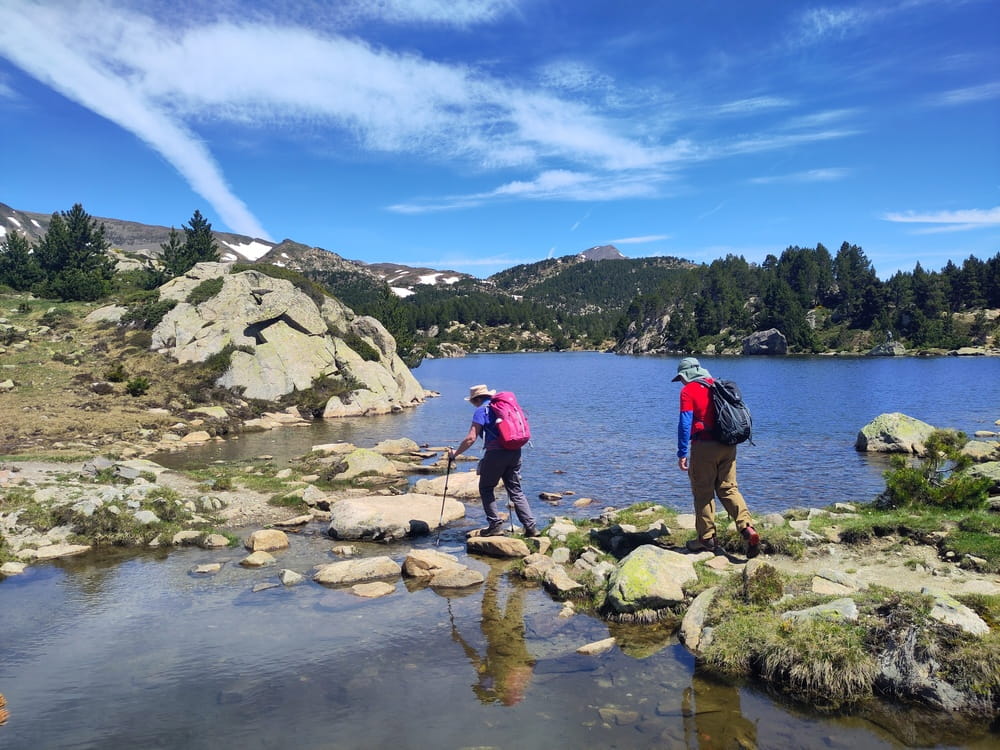
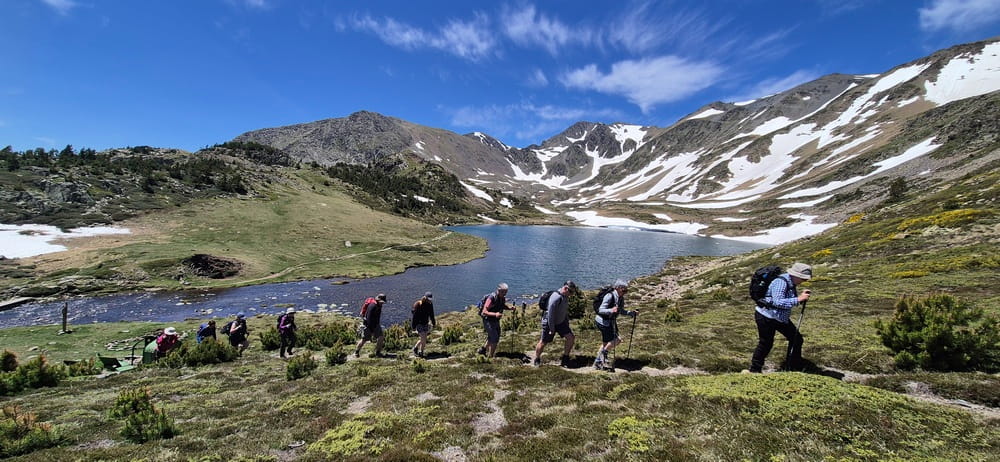
With our walks along the week, we tried to discover both massifs, and we walked in three different countries. Traversing forests, walking into mountain meadows, skirting mountain lakes and getting into the higher open areas where the vegetation disappears giving place to a great open view alongside the valley.
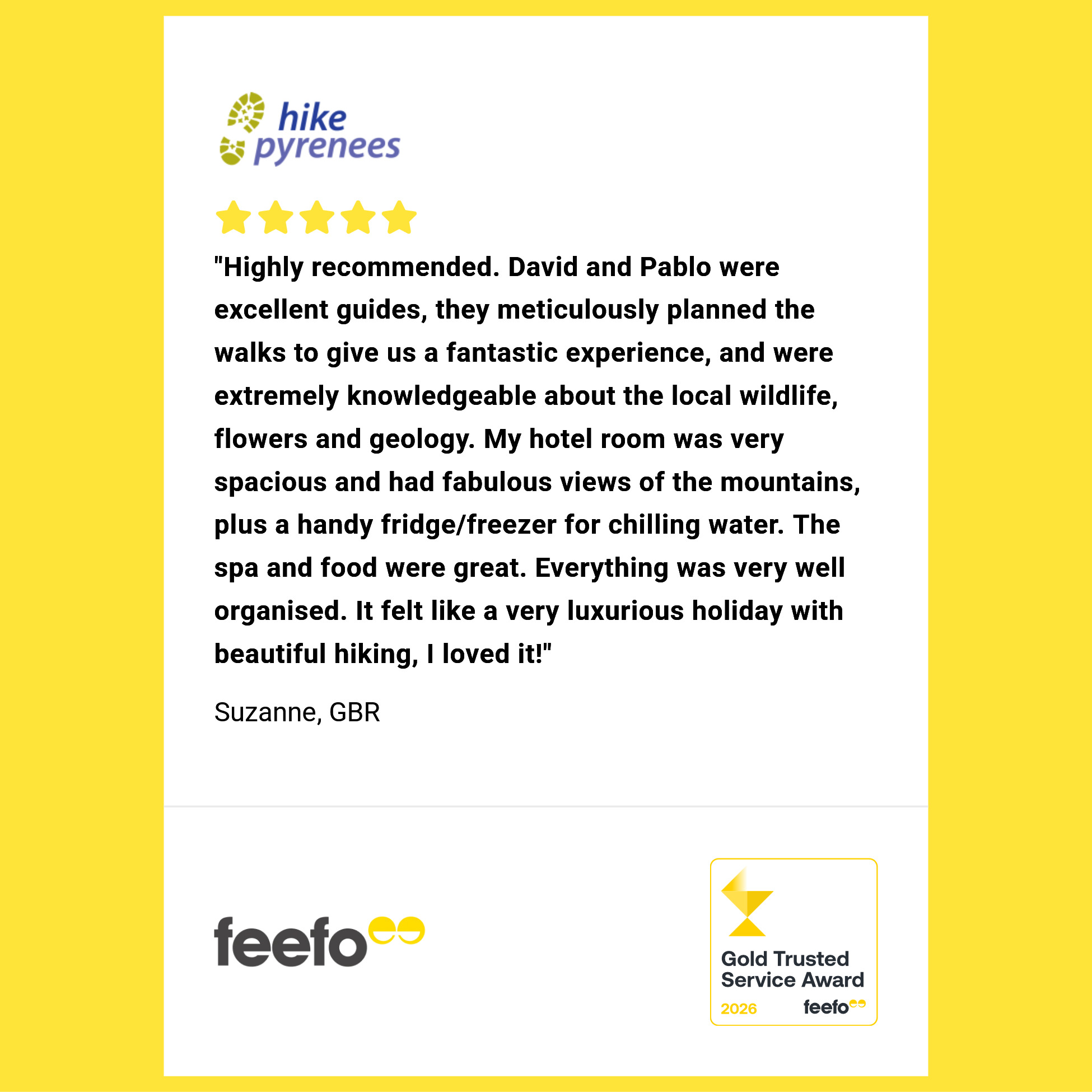
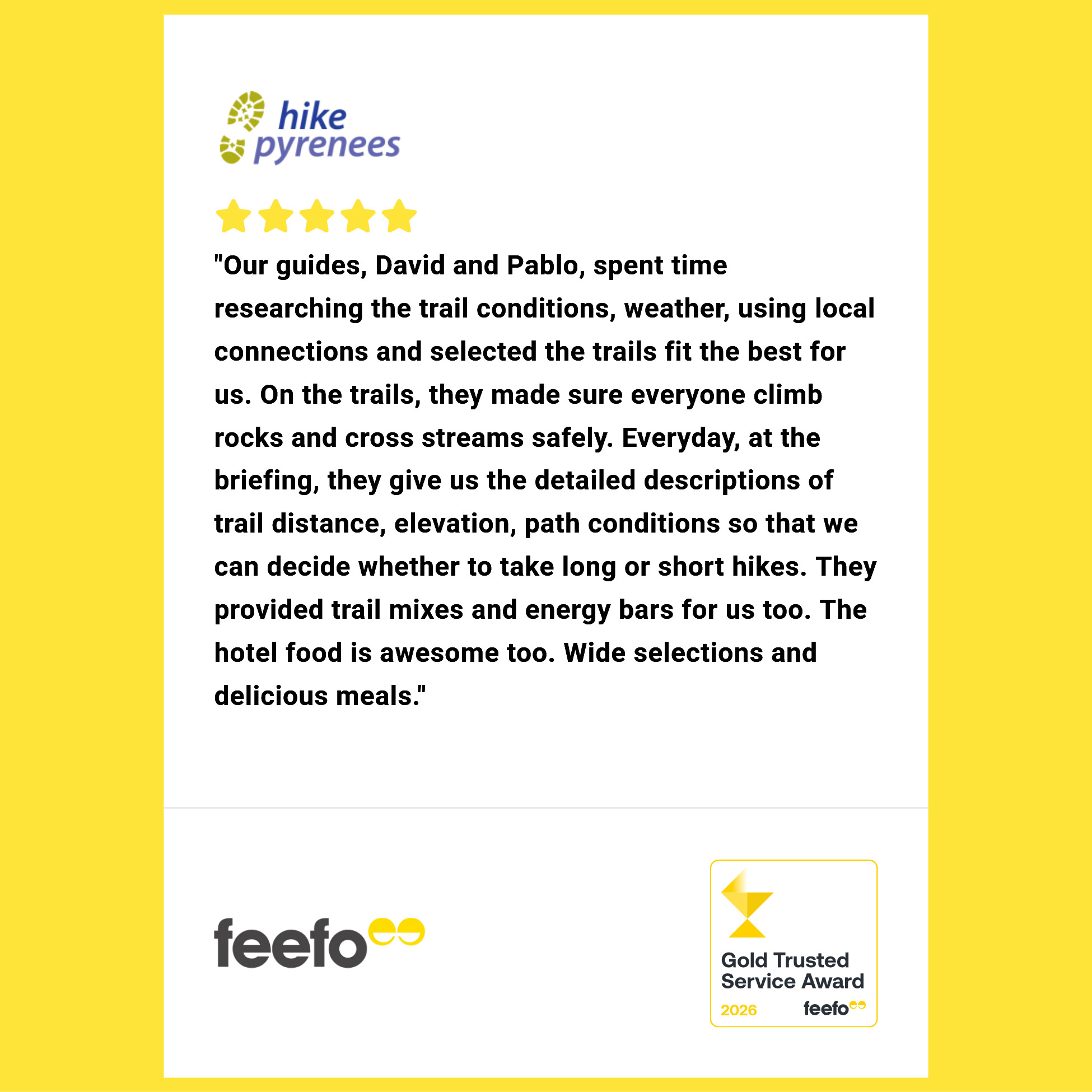
Rated by our guests
A valley with a great historical relevance
The easy access between Spain and France through this valley has been a key aspect in the history of this region. A continuous pass of civilizations, armies, refugees and therefore cultures have marked the current essence of the valley.
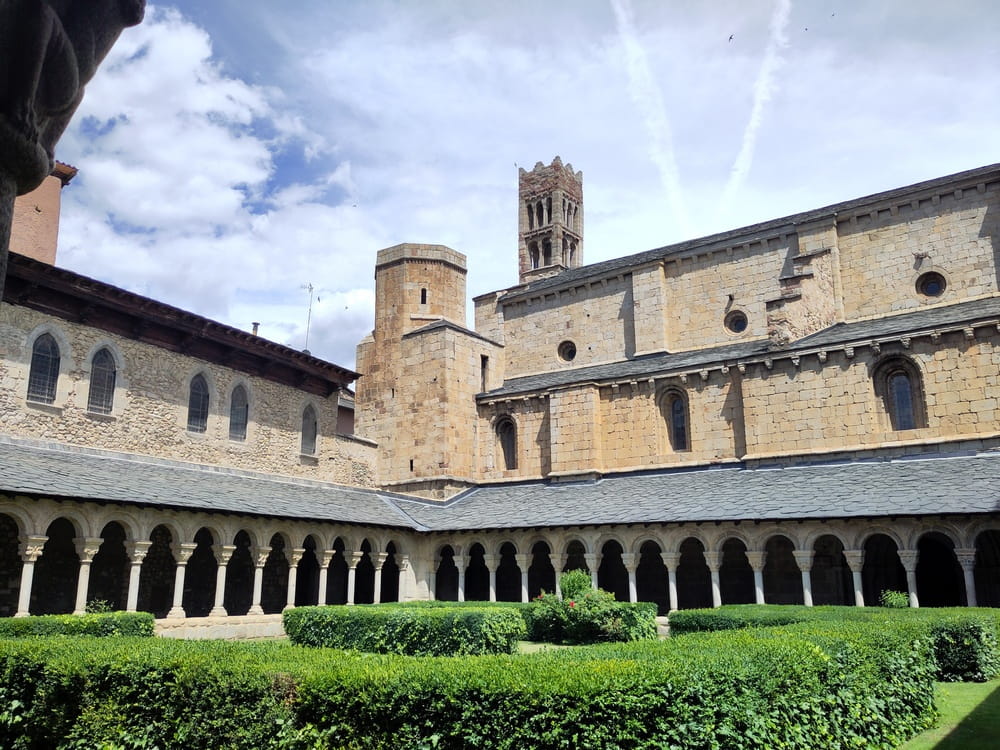
During the week we had the chance to get to know part of this cultural imprint, not just with our walks but also with an interesting visit to the town of La Seu d’Urgell, where the local guide Pilar, took as in a journey along the history of the region.
Same country, different cultures
Along the 500km of the Pyrenees there are several cultural differences between different valleys and regions. Here in La Cerdanya we could get to know the Catalan culture, language and gastronomy.
At the hotel Cerdanya Viva, our guests had the chance to try the local gastronomy, prepared mainly with products from the area, including lots of vegetables produced in their own permaculture garden. Also, lots of local cheeses, milk, cold meet, etc. were some our choices every morning for breakfast and picnic.
When walking holidays are not just about walking
It’s incredible to travel somewhere new and get to know the area hiking, but even better when after the walk you can have some relaxing time at the hotel.
A terrace and swimming pool with lovely views, a relaxing time in the spa or some stretching in yoga classes were part of our routine in the afternoons to recover and get ready for another hiking day.
Experiences are to be shared
As always, the hikes, the hotels, the meals, and other aspects of the trip are important, but nothing as important as the company of our guests that make every week different from others.
Thanks to all the people in this group for sharing with us this week and for giving us the chance to keep exploring these beautiful mountains in good company.
The latest news from our blog
Life in the Pyrenees
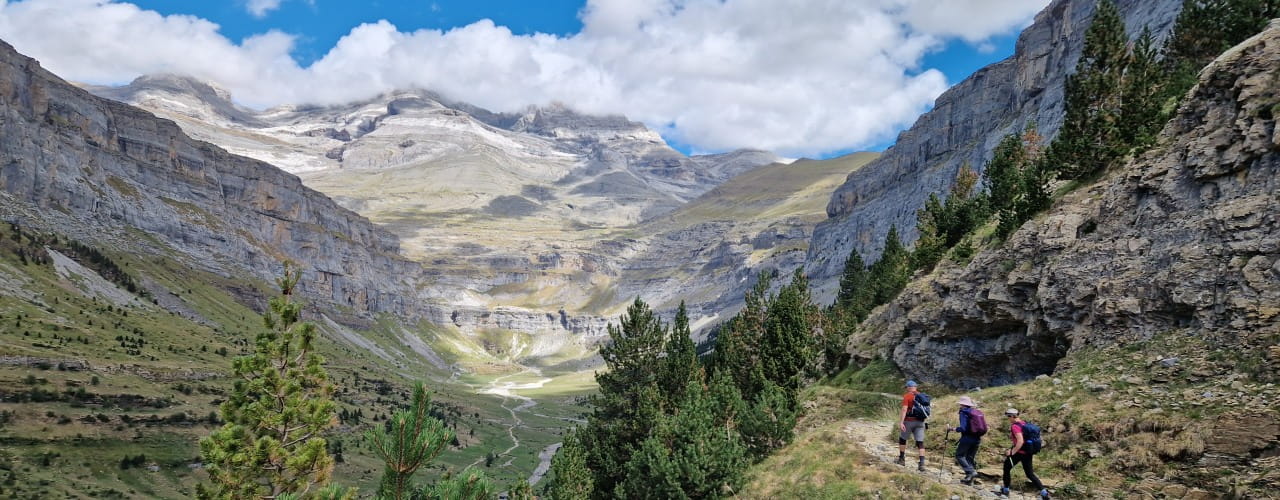
Discover Ordesa: when small things become great
Another wonderful week in Ordesa National Park, where the smallest moments often leave the biggest memories. From breathtaking mountain views and rewarding hikes to unexpected wildlife encounters and plenty of laughter, our guests share what made this Discover Ordesa holiday so special.
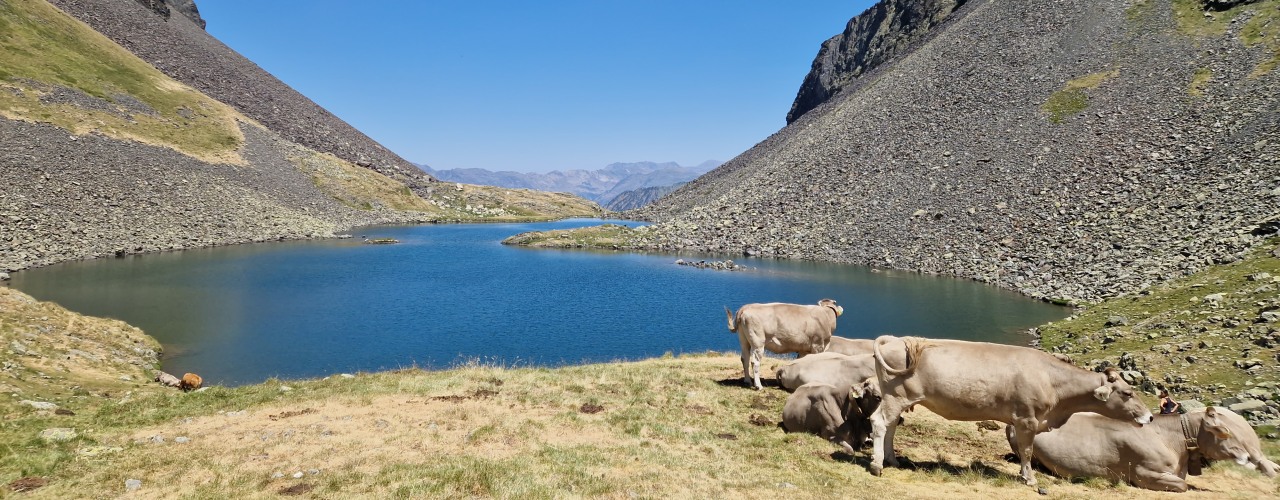
A week in the Heart of the Pyrenees
We look back on a wonderful week in Benasque, where you can find Aneto, the highest peak in the Pyrenees, exploring wild alpine valleys, high mountain lakes and some of the finest scenery in the Pyrenees.
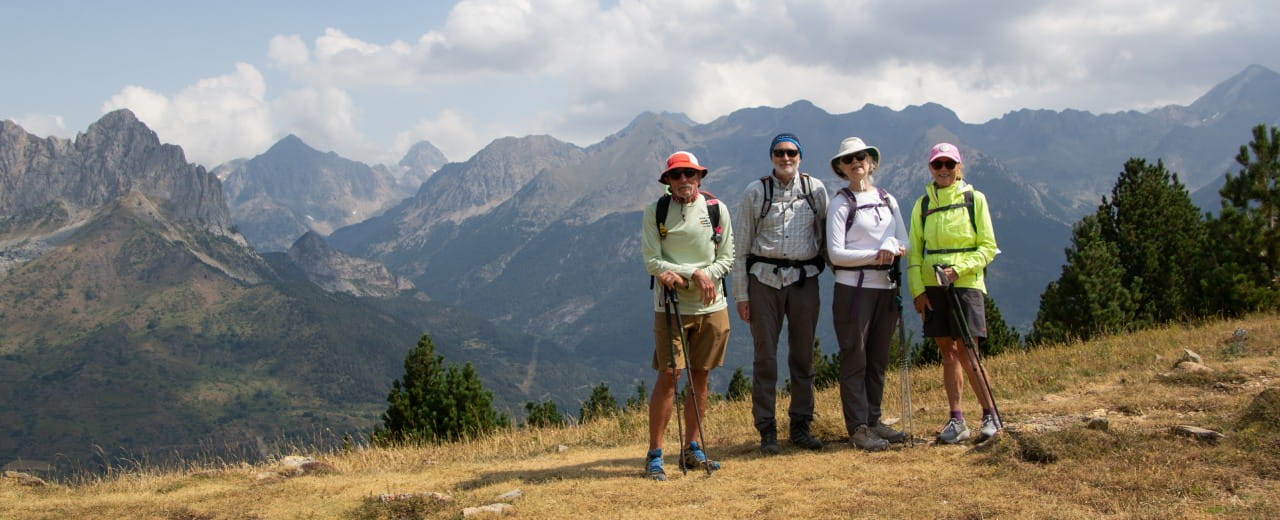
Valle de Tena Explorer: classic walks in the Pyrenees
Explore the Valle de Tena with classic Pyrenean walks, high mountain lakes, local food, historic Jaca and spectacular views on our guided walking holiday.
0 Comments