
Guide to walking in the Ordesa National Park
Established in 1918 the Parque Nacional de Ordesa y Monte Perdido was Spain’s first protected area and an undisputed highlight of the Pyrenees. Covering an area of 156 square kilometres the park contains the showcase valleys of Ordesa and Anisclo. In 1997 it was made a world heritage site by UNESCO and it is also part of the Ordesa-Viñamala UNESCO Biosphere reserve.
Standing at 3355m right inthe centre of the park is the limestone summit of Monte Perdido -the third highest peak in the Pyrenees. The park contains a dozen or so other summits of over 3000m mostly strung along the French border.
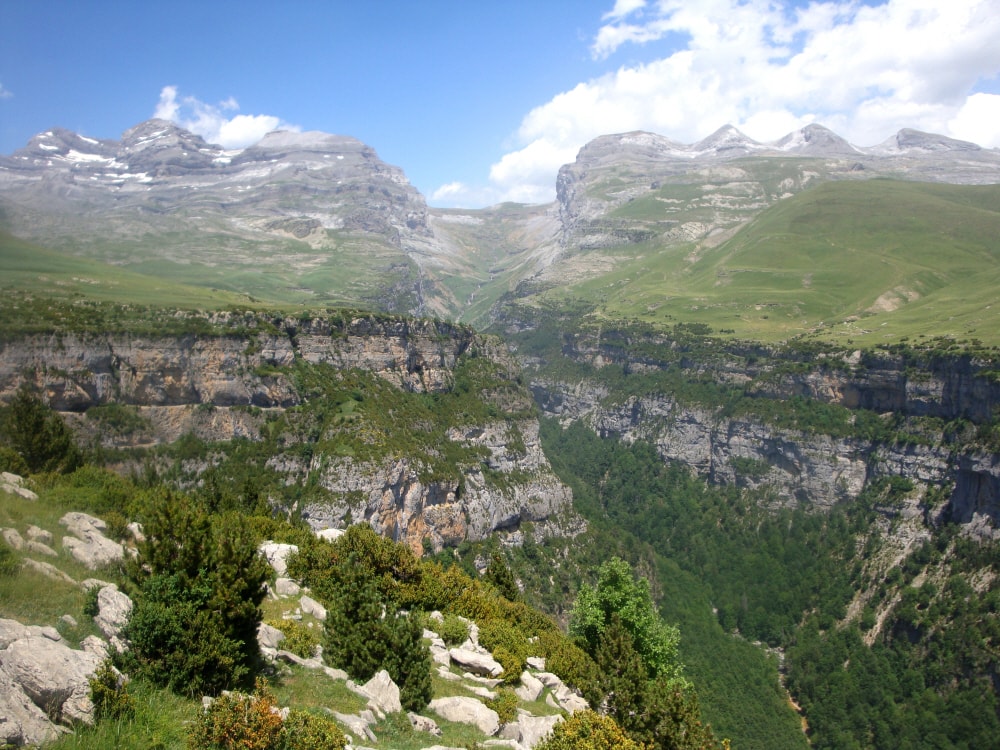
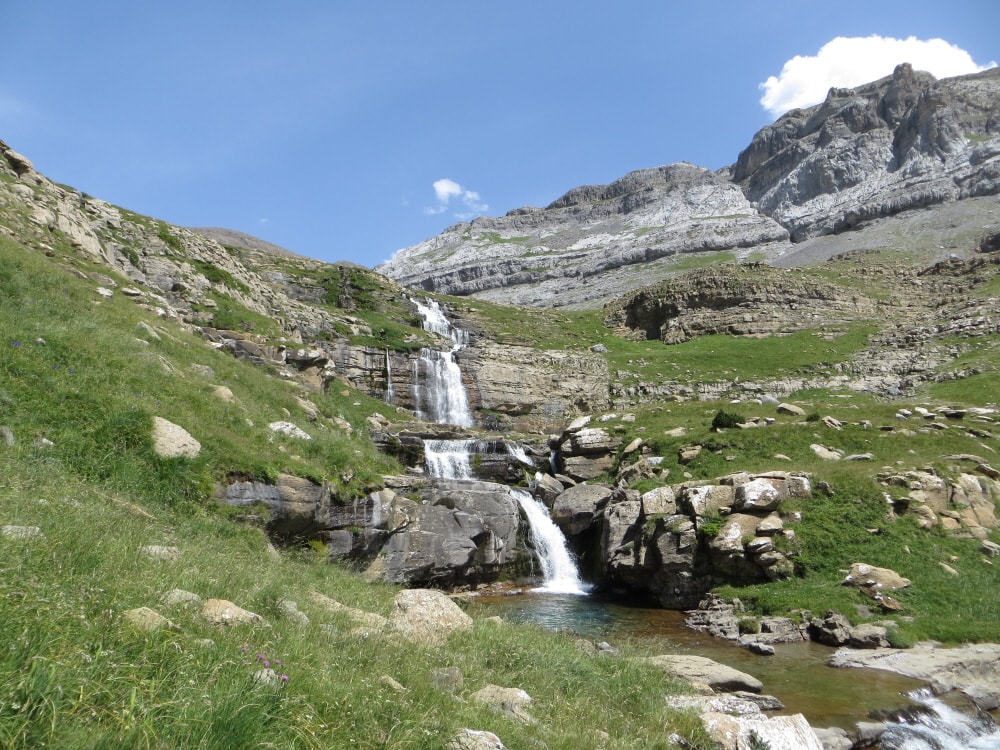
This is a high-mountain landscape with an extremely abrupt relief formed by deep canyons and raised plateaus. The extreme aridity of the upper areas contrasts with green valleys with pastures and woods, where the water forms waterfalls and rushes through canyons and gorges.




Ordesa National Park
Dramatic canyons
 The highlight of the park are it’s four deep canyons carved into the limestone. The Ordesa and Pineta valleys are glacial while Añisclo and the Garganta de Escuain were formed by rivers.
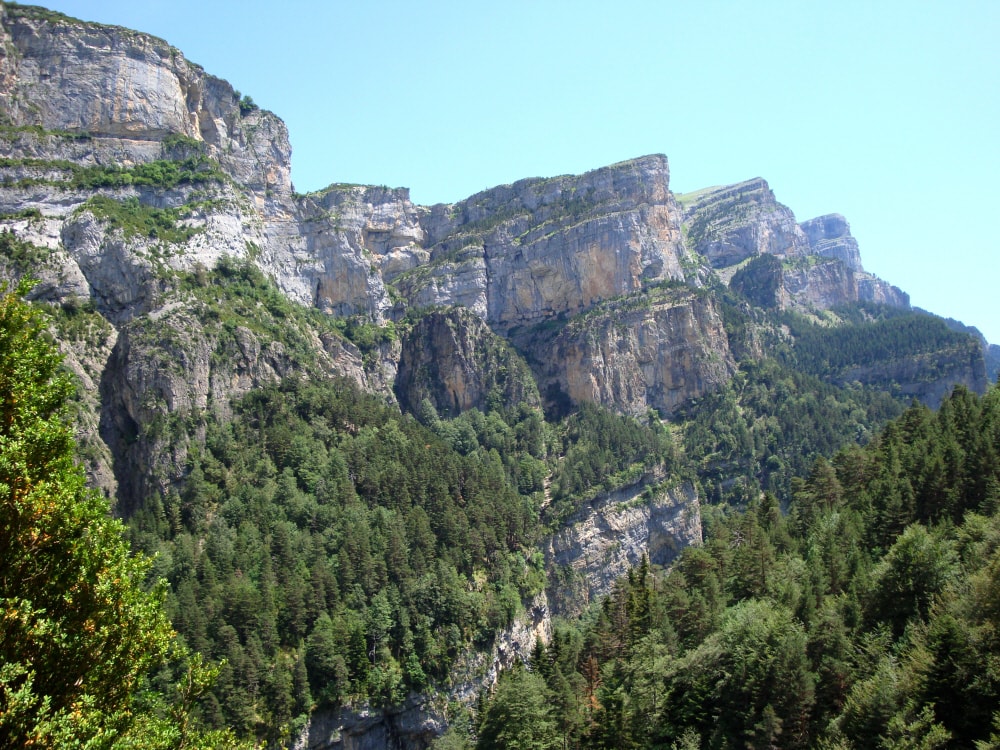
The Ordesa Valley is the most famous with cliffs rising over eight hundred metres on each side and Monte Perdido perched majestically at the valleys end.
The Anisclo Canyon is over a kilometre deep and the high cliffs combined with the narrow, winding nature of the valley makes it very spectacular. The three peaks of Las Treserols – Monte Perdido, Cilindro and Pico Anisclo are the most recognisable in the park and form an impressive skyline for many walks.
The plateau covering much of the higher reaches of the park resembles a moonscape of gnarled rock in some places. Look up though and the dramatic peaks against the (usually!) blue sky make for an impressive site. A string of 3000m peaks run along the French border with the unmistakable cleft of Breche de Roland the only passable point.
A karstic landscape
A karstic limestone layer covers the park. This layer was lifted from the sea bed fifty million years ago and was tilted and folded as it rose. Glaciers then carved the landscape creating the dramatic peaks and the steep sided valleys.
The soft limestone is also easily eroded by water and rivers have created the Añisclo and Escuain canyons.
Some of the limestone layers are softer than the others and erode quicker. This has created ledges high in the cliffs. Some of these are walkable and these paths (called ‘Fajas’) are some of the most dramatic in Europe with the Faja de las Flores being particularly airy and spectacular.
Three ways to explore Ordesa
Guided and self guided walking holidays in the Ordesa National Park. Let us show you the very best of Ordesa including the hidden corners missed by most visitors. Beautiful hotels, small groups and local guides.

Discover Ordesa
Guided hiking
Explore the spectacular Ordesa National Park with it’s kilometre deep canyons. Dual level – two guided hikes offered each day. 4* hotel with pool.

Ordesa National Park
Self guided hiking
Let us help you discover the spectacular Ordesa National Park. We’ll show you not only the well known paths but the quiet corners that most visitors miss.
Canyons of Ainsa
Guided hiking
Explore the eastern side of the Ordesa National Park, hiking in the Pineta Valley and the Garganta de Escuain. Two level holiday.
 Walking in the Ordesa National Park
The Ordesa National Park has some of the best hiking in the Pyrenees. It’s varied terrain means there are superb trails for walkers of all levels.
The Ordesa Valley
Ordesa has the most to offer hikers. There are four main routes for day hikers all starting at the Pradera car park/bus stop and ranging from gentle rambles to very airy and scary!
The valley floor
16 km, 450m ascent, 6-7 hours
Most day hikers take the path on the valley floor. A good easy to follow path winds through lovely beech and silver fir woods with cliffs flanking you on either side. You pass several fantastic waterfalls before the woods open up to meadows that are filled with flowers in early summer. The trail ends at the waterfall in the Circo de Soasa with Monte Perdido dominating the skyline above.
Faja de Pelay
22 km, 800m ascent, 8-9 hours
A spectacular path on the southern cliffs of the valley. Your day starts with a steep climb of an hour and a half up to a fantastic mirador with a birds-eye of the valley and the valley floor 600 metres below. With the hard work done enjoy one of the best stretches of path in the park as you contour around to the Circo de Soasa at the end of the valley, descending along the valley floor. Highly recommended with great views across to the Brecha de Roland and all of the 3000m peaks.
Faja Racon
11 km, 580m ascent, 5-6 hours
This path under the northern cliffs is overlooked by many visitors but it’s one of my favourites. You really get close to the cliffs walking directly underneath them and get an idea of the scale of the valley. There’s a lovely contrast between the bare rock of the cliffs on your left and the lush green woods sloping away to your right. There’s a good chance of spotting sarrios (chamois) on this route as well as lammergeier.
Faja de las Flores
16 km, 1150m ascent, 9-10 hours
A spectacular path a kilometre high on the northern cliffs needing a very good head for heights. A steep path ascends over a thousand metres passing two sets of ‘clavijas’ (iron pitons) on the way. At first there looks no place for a path but as you get closer the eroded band shows itself and you can see it winding it’s way along the cliff face. At only a metre or so wide with a 400 metre sheer drop to your right at all times this is not a route for the feint hearted. The traditional descent passes across a cliff face by using an extremely scary set of chains and pitons. Those that don’t fancy this can turn round and head back down the way they came. A superb hike.
Monte Perdido
Spending a night in Refugio Goriz (the only hut in the park) gives you access to a string peaks including Monte Perdido. It’s a steep ascent but the panoramic views from the summit make the effort worthwhile. The final section from Lago Helado to the summit is called the Escupidera (‘spittoon’) and is covered in snow and ice until well into the summer. This section can be treacherous and crampons and ice-axe are essential if there’s snow. If you’d like to tackle Monte Perdido take a look at our Refugio Week guided hiking holiday which hikes a one week section of the famous GR11 and includes an ascent of Monte Perdido. Refugio Goriz post updates on snow conditions on there Facebook page.
Access to the Ordesa Valley
Most walks in Ordesa start at the Pradera where there is a car park, bus stop cafe and toilets. Private cars aren’t allowed into the valley during Easter, from 1 to 3 May, from 19 June to 20 September, from 25 to 27 September, from 2 to 18 October, from 23 to 25 October and from 30 October to 2 November (2026 dates).
2026 shuttle bus dates and times
Last days of June, July, August and September (19 June to 20 September) – first bus 6 am – last bus into valley 7 pm – last bus back to Torla 10 pm and (25 to 27 September) – first bus 6 am – last bus into valley 6 pm – last bus back to Torla 9 pm
October (2 to 18 / 23 to 25 October) – first bus 7 am – last bus into valley 6 pm – last bus back to Torla 9 pm and (30 October to 2 November) – first bus 7 am – last bus into valley 5 pm – last bus back to Torla 8 pm
2026 Bus prices
Standard fare: 6 € return ticket – 4 € single ticket
Older than 65 years*: 5 € return ticket – 3,50 € single ticket
Younger than 10 years*: free
Dogs: 2 € return ticket – 1 € single ticket
* it would be necesary to show the passaport or a certifying documentation.
The service works pretty efficiently with buses every 15 / 20 minutes.
 Wildlife
Colonies of Griffon Vultures roost high in the cliffs of the Anisclo Canyon. This massive brown bird has length of one metre and groups are easily seen rising on the thermals created by the sun beating on the rock faces. They often fly in close formation in twos, threes or fours and make a magnificent sight as the sweep overhead searching for food.
The Ordesa valley is home to Sarrios (Pyrenean Chamois). Growing to just eighty centimetres with short horns these shy animals congregate in the upper slopes to graze in the summer. Almost hunted to extinction, Sarrio are now protected and thrive in many Pyrenean valleys.
One of the rarest and spectacular vultures – the Lammergeier (or Bearded Vulture) can often be seen in the park. The Spanish Pyrenees are home to approximately 55 breeding pairs – the largest population in Europe. At over a metre in length the Lammergeier uses its incredible wingspan to cover huge distances searching for food. This vulture is most famous for the unique behaviour of dropping bones from a great height to smash them open and expose the nutritious marrow inside.
The Garganta de Escuain has a lammergeier feeding station where they leave bones for these endangered birds. It’s a fabulous place to get close up views of the vultures.
The park is also home to 5 breeding pairs of Golden Eagles. This elegant bird of prey, while smaller than the Griffon Vulture, is majestic and expert in the air.
Ordesa Walking Holidays
Our Discover Ordesa guided walking holiday is the ideal way to explore the park. We offer two walks of differing levels each day.
Our Ordesa self guided walking holidays are perfect for those that would like to explore the park on their own. We provide maps, advice and detailed route directions for all of the best walking in the park.
Discover Ordesa
Dual level guided holiday
14 – 21 June 2026
5 – 12 July 2026
6 – 13 September 2026
Canyons of Ainsa
Dual level guided holiday
Explore the eastern side of the Ordesa National Park
10 – 17 May 2026
Refugio Week
Guided hiking on the famous GR11 and summit Monte Perdido
The latest news from our blog
Valle de Tena Explorer: sunshine, wildflowers and mountain adventures
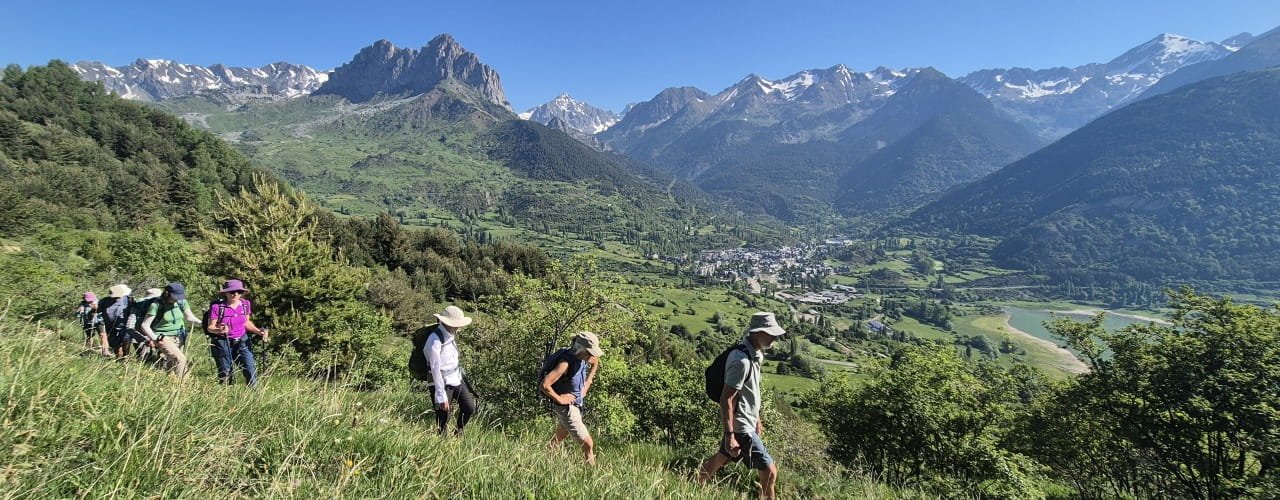
We had some great early season weather on our Valle de Tena Explorer trip last week. It’s always a delight to welcome people to our home village of Biescas. The wildflowers are simply stunning this season and at this time of year we’ve the trails to ourselves and the mountain tops are still white with snow.
Canyons of Aínsa: a guide’s story
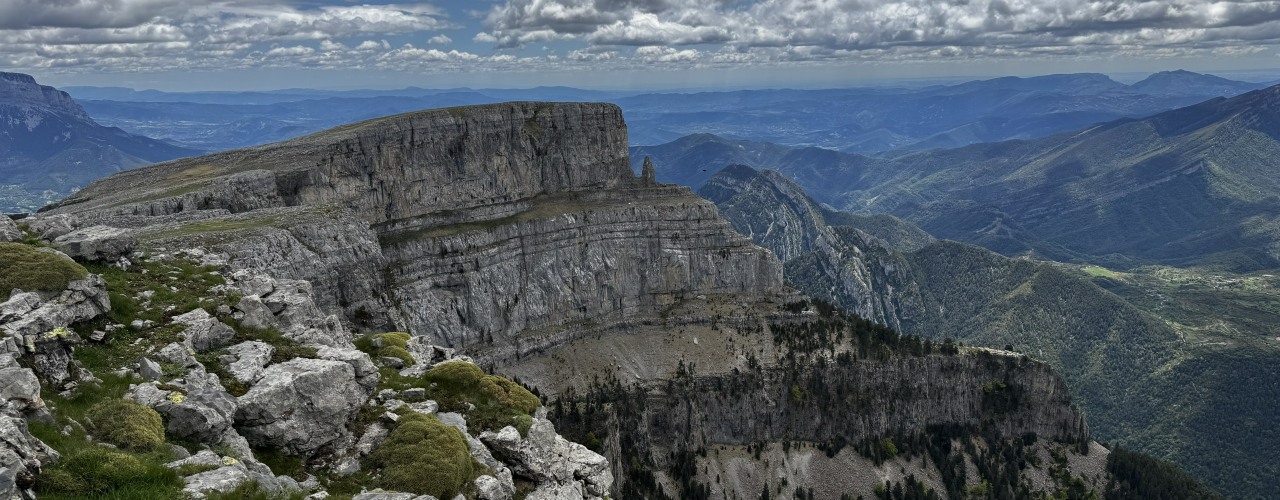
Our new Canyons of Aínsa guided walking holiday explores one of the quieter and most varied walking regions in the Spanish Pyrenees. In this post, Juanma, one of our local guides, shares what makes the area so special — from the dramatic canyons of Añisclo and Escuaín…
Riglos & Alquézar: spectacular landscapes, vultures and unforgettable walks
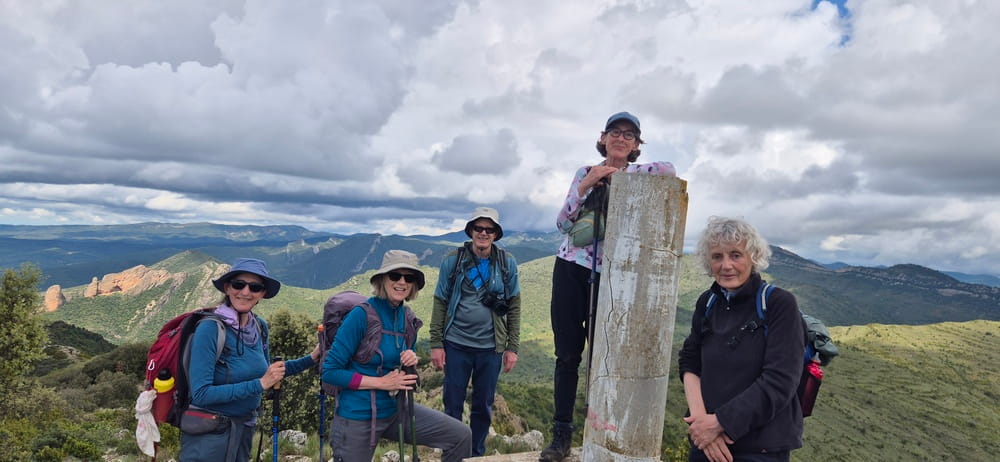
A wonderful week walking through the spectacular landscapes of Riglos and Alquézar, with dramatic cliffs, soaring vultures, peaceful trails, spring flowers and unforgettable canyon scenery in the Spanish Pre-Pyrenees.